Ansul Vehicle Fire Suppression- LVS Liquid Agent
Fire Suppression for Heavy Equipment
Mining Vehicles, Construction Vehicles, and More
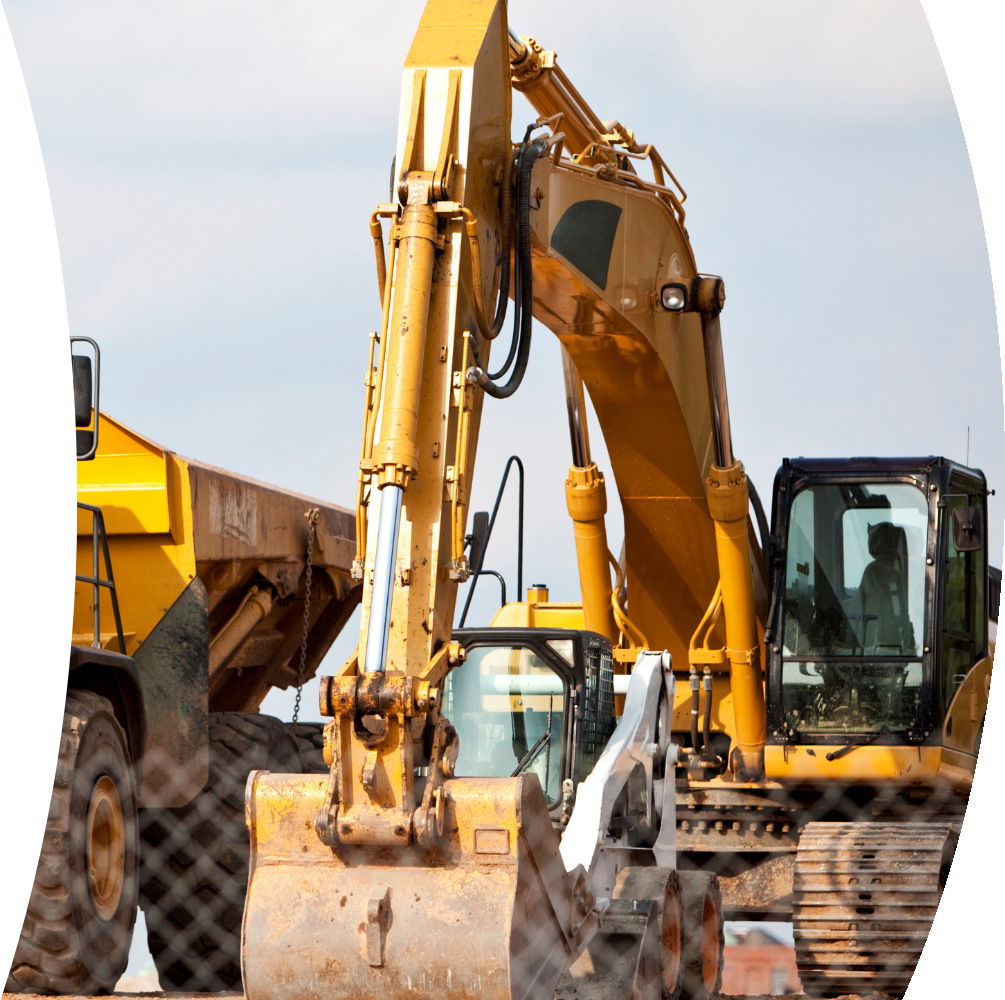
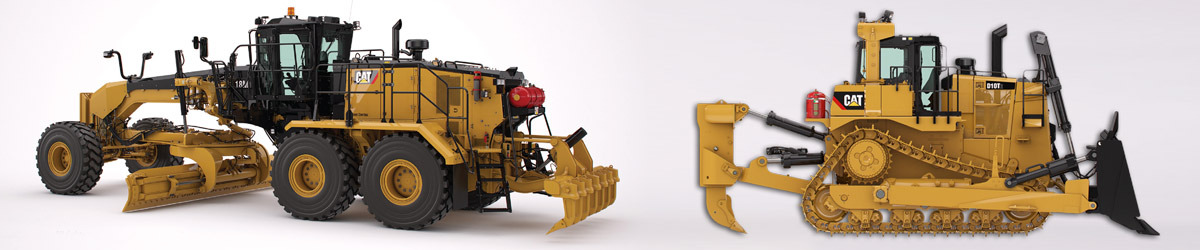
The LVS Liquid Agent Fire Suppression System is designed in combination with an A-101 dry chemical system, for use on large, off-road type construction and mining equipment (such as large excavators/shovels, draglines, haul trucks, wheeled loaders), and specialty vehicles (such as slag, pot and/or slab carriers, tunnel boring machines, and forestry vehicles). These types of heavy equipment have large volumes of oils and hydraulic fluids under pressure.
With a break in a large hydraulic line, fuel can spray onto many surfaces, some possibly hot enough to cause ignition. With the large amount of fuels available, a variety of fires can occur, such as pressure, three dimensional, fuel-in-depth, and spill fires. LVS wet chemical can flow into hard to reach areas where flammable fuels may also have flowed into. The wet chemical solution causes two extinguishing mechanisms to take place:
- the solution forms a blanket over the fuel, which excludes oxygen
- the water content of the solution produces a cooling effect to the fuel and the surrounding surface areas. Cooling the surrounding surface areas also minimizes the chance for reflash.
LVS Liquid Agent Features
- Rapid Fire Knockdown With Dry Chemical, Effective Cooling With Wet Chemical Solution
- Rugged Construction
- Low Temperature Operation
- Automatic Fire Detection and Operation
Fire Suppression System Overview and Description:
The LVS Liquid Agent Fire Suppression System is designed to be installed with an ANSUL A-101 Dry Chemical system to create a twin agent system concept that is capable of quick fire knock-down, coupled with the cooling application of the LVS liquid agent. The system consists of both dry chemical and wet chemical. The dry chemical side of the system is the ANSUL LT-A-101 type system and the liquid agent side of the system consists of wet chemical tank(s) containing a premixed solution of LVS agent.
The LVS system includes both a 30 gallon (114 L) tank assembly and a smaller 15 gallon (57 L) tank assembly. Both assemblies supply LVS agent that is discharged through nozzles into areas that have the potential for fire reflash, due to the superheated nature of the equipment being protected (turbochargers being the No. 1 concern). LVS liquid agent provides a cooling application of liquid to superheated equipment after a fire has been detected and suppressed with the A-101 Dry Chemical system.
- The LVS system is designed to discharge for approximately 2 minutes.
- The LVS Fire Suppression System is designed for a temperature range of -40° F to 120° F (-40° C to 49° C).
- The LVS wet chemical can be stored at temperatures as low as -60° F (-51° C).
LVS system components consist of the following:
Wet Chemical: LVS wet chemical is a unique blend of organic and inorganic
salts, coupled with surface active agents. This blend provides a
strong measure of freeze protection along with the foaming properties
associated with conventional Class B liquid agents.
The wet chemical is shipped in 5 gallon (18.9 L) plastic containers.
Tank: The LVS tank is constructed of steel, finished with a red corrosion
resistant paint. The tank holds 30 gallons (114 L) or 15 gallons (57 L) of
LVS wet chemical solution. A nitrogen cartridge equipped with a pneumatic
actuator supplies the required expellant gas.
Nozzles: The LVS nozzle is a non-aspirating nozzle, constructed of
brass, with a rubber blow-off cap.
The LVS system allows the use of 3 or 4 nozzles on an LVS-15 tank, and 6 or 8 nozzles on an LVS-30 tank, depending on the application.
When cooling turbochargers, a minimum of two (2) nozzles must always be used for each turbocharger.
Two (2) nozzles from a 4 nozzle LVS-15 or 8 nozzle LVS-30 system may be utilized for turbochargers up to 10 in. in size (diameter of turbo housing). For turbochargers larger than 10 in., the maximum number of nozzles per tank must not exceed 3 nozzles with the LVS-15 tank and 6 nozzles with the LVS-30 tank.
In addition, all other areas that can become superheated to temperatures close to or in excess of 850° F (454° C) must also be considered. The maximum area of protection per nozzle depends on the distance the nozzle is from the hazard. At a distance of 2 ft. (.6 m), the maximum area of protection per nozzle is 2.2 sq. ft. (.2 sq. m). At a distance of 4 ft. (1.2 m), the maximum area of protection per nozzle is 8.6 sq. ft. (.85 sq. m).
Detection and Control: The detection and control system utilized with the LVS system is the ANSUL CHECKFIRE® SC-N Electric Detection and Actuation System. The system is composed of components which are combined to provide automatic fire detection and actuation. The system is particularly suited for protection of equipment that is subjected to extreme environmental and physical conditions.
The LVS-15 Liquid Agent Tank
For the protection of mobile mining equipment, the ANSUL® LVS-15 liquid agent tank is designed for those applications where space is at a premium and twin agent fire suppression technology is preferred or required. More about the LVS Liquid Agent Tank
For more information about Commercial-Grade Off-Road Vehicle Fire Suppression Systems, contact your nearest Koetter Fire Protection office today!
|