
Data Processing Facilities
What Is the Fire Risk?
Although the incidence of fire in data processing facilities is low, the potential loss that a company experiences due to a fire can be catastrophic. Even small fires can become major liabilities. The possible destruction of electronic equipment, or worse, software and data loss, can cripple a company's business.
What Are the Fire Hazards?
With the preponderance of sophisticated electronics, a data processing facility is susceptible to fires caused by overheated components and faulty wiring, often starting in locations hidden from sight (such as under-flooring or in equipment cabinets). Fires start from a variety of causes, ranging from arson, corporate sabotage and natural forces (i.e., power surges, lightning strikes) to careless smoking in unauthorized areas.
What are the Recommended Methods of Fire Protection?
Early Detection
Since fires in data processing facilities often start as smoldering wiring in cable trays, under-floor areas and equipment cabinets, a method of detecting fire in its incipient stage is crucial. The Kidde ORION™ High-Sensitivity Smoke Detection (HSSD®) System is 1,000 times more sensitive than conventional smoke detectors. It uses an air sampling technique and laser particle counting technology to detect highly diluted smoke at concentrations as low as 0.003% obscuration per foot. This sensitivity enables facility managers to discover and correct potentially disastrous fire situations before they get started, often without activating the facility's fire suppression systems.
Clean Agent Fire Suppression
There are three types of Kidde Clean Agent Systems, each with specific applications. All three types suppress fires quickly, leaving no residue behind to damage sensitive electronic equipment or software.
- Kidde Carbon Dioxide Systems are recommended for protection of areas that are normally unoccupied by people such as records storage rooms and under-flooring spaces.
- Kidde FM-200® Systems are safe for people and can be applied in any area of the data processing facility.
Great Lakes Chemical Company (www.greatlakeschem.com) is the manufacturer of FM-200® (www.fm200.com) Clean Agent.
- Kidde FE-13™ Systems are designed for applications where there are high ceiling heights and/or the objective is to inert the area.
Dupont is the manufacturer of the FE-13™ Clean Agent.
Integrated Alarm and Control
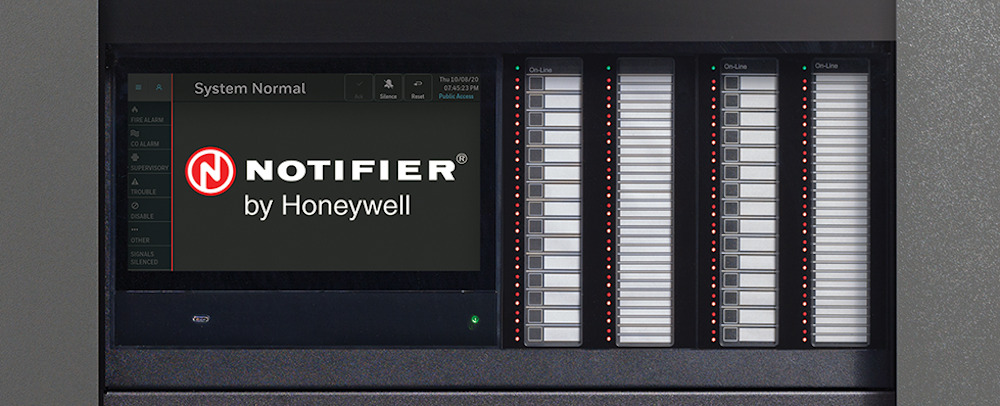
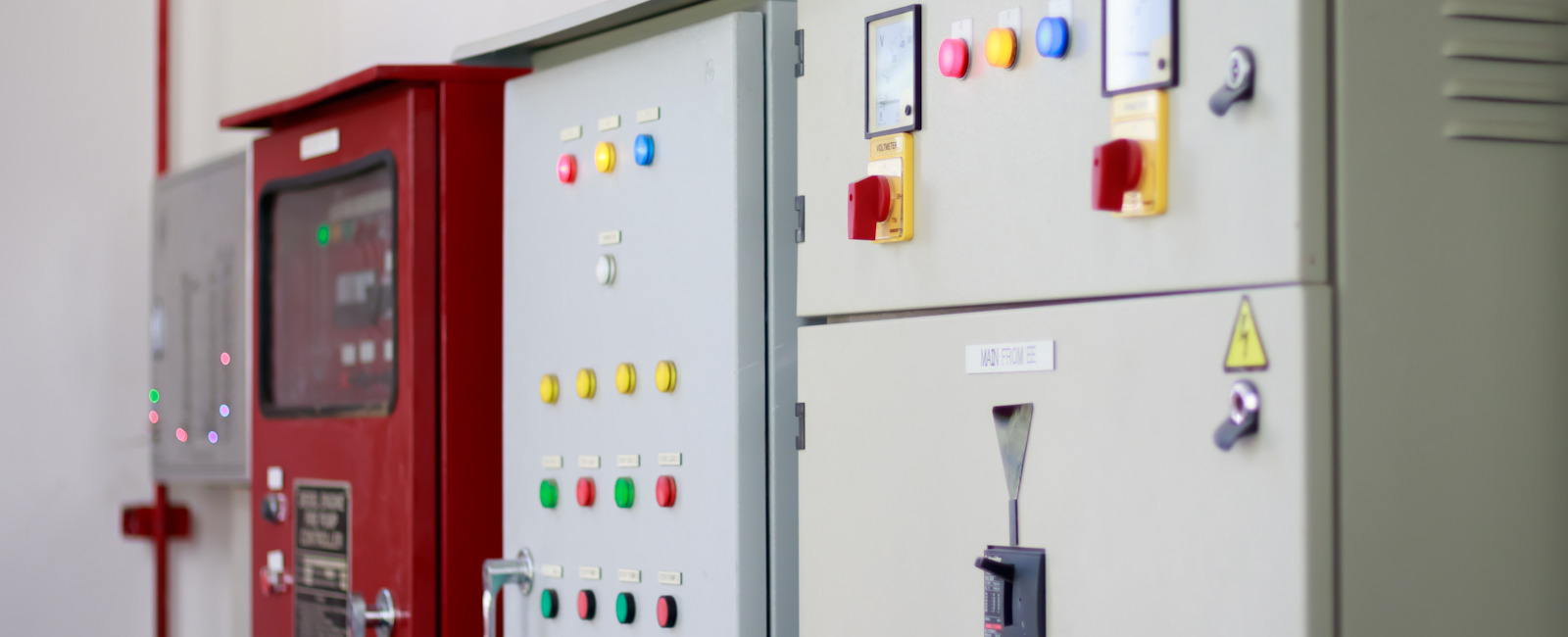
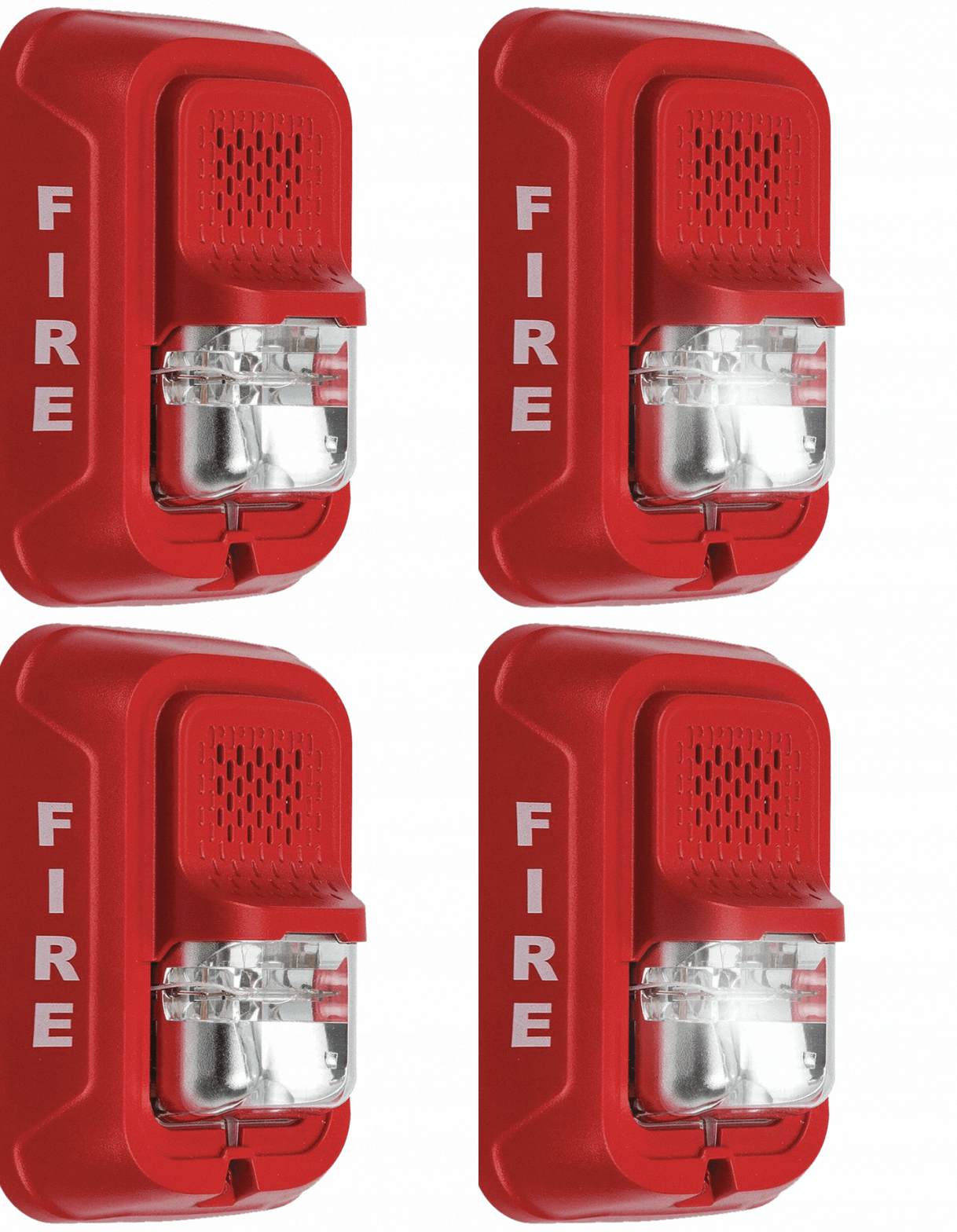
Since most data processing facilities are occupied by people, it is necessary to provide a "brain" for the fire protection system that receives input from the detection devices, sounds alarms, shuts down equipment and activates the clean agent fire suppression system if necessary.
Kidde offers a complete range of detection, alarm and control devices including: Kidde PEGAsys™ Intelligent Fire Protection Control System that can be configured to the precise requirements of any data processing facility.
What are the Fire Protection Codes & Standards for Data
Processing Facilities?
NFPA 75: Standard for the Protection of Electronic Computer / Data Processing Equipment is provided by the National Fire Protection Association (NFPA).
Industrial Risk Insurers, Factory Mutual and other leading insurance companies also publish guidelines for protection of data processing facilities.
Why is Water NOT Recommended for Protection of Data Processing Facilities?
Water-based sprinkler systems are designed for the structural protection of buildings. In most cases, by the time they operate, the temperature resulting from a fire in the Data Processing Center has reached a point where massive damage to electronic records, software and equipment has occurred.
Water often does more damage than the fire itself in terms of after-fire cleanup. Electronic components must be thoroughly dried out or replaced entirely, taking the facility off-line for long periods of time.
|